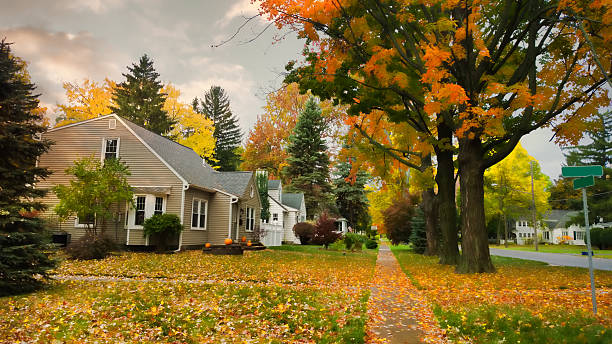
Fall brings cooler temperatures, cozy evenings by the fireplace, and festive seasonal decorations. However, increased use of heating equipment, candles, and cooking appliances can also introduce fire hazards into your home.
Taking a few preventive steps can help protect your property and household throughout the season. Here are nine practical ways to reduce the risk of common fall fire hazards around your home.
1. Have Your Fireplace and Chimney Inspected
A fireplace provides warmth on chilly evenings, but poor maintenance can increase the risk of a chimney fire. Creosote, a flammable substance produced by burning wood, can accumulate inside chimneys over time.
Before lighting your first fire of the season, schedule a professional chimney inspection and cleaning as needed.
Follow these fireplace safety tips:
-
Arrange annual inspections of your fireplace, chimney, and venting system.
-
Burn properly seasoned firewood in wood-burning fireplaces.
-
Use a fireplace screen to prevent sparks and embers from escaping.
-
Keep furniture, rugs, and other combustible materials away from the fireplace.
-
Allow ashes to cool completely before placing them in a covered metal container.
2. Use Space Heaters Carefully
Space heaters can help warm individual rooms, but improper use can create serious fire hazards. Placing a heater near curtains, bedding, or furniture increases the risk of nearby materials catching fire.
Keep children and pets away from heating equipment. Never use outdoor heaters, grills, or generators inside your home or garage because they can produce dangerous carbon monoxide.
To use space heaters safely:
-
Maintain at least three feet of clearance from bedding, curtains, clothing, and other combustible materials, or follow greater distances specified by the manufacturer.
-
Place heaters on stable, level surfaces.
-
Choose models with appropriate safety certification and automatic shutoff features.
-
Plug electric space heaters directly into wall outlets rather than extension cords or power strips.
-
Turn heaters off before leaving the room or going to sleep.
-
Never use a heater to dry clothes or warm bedding.
3. Be Careful With Candles and Seasonal Decorations
Candles, dried leaves, wreaths, and decorative lights create a festive atmosphere during fall. However, decorations made from paper, fabric, or dried plant materials can ignite when placed near open flames or hot surfaces.
Reduce seasonal fire hazards by following these precautions:
-
Keep burning candles at least 12 inches away from anything that can burn.
-
Place candles in sturdy holders on stable surfaces.
-
Extinguish candles before leaving a room or going to sleep.
-
Keep decorations away from fireplaces, heaters, and hot light fixtures.
-
Inspect decorative lights for damaged wires, plugs, and bulbs.
-
Consider battery-operated candles as a safer alternative to open flames.
4. Keep Leaves and Debris Away From Heat Sources
Dry leaves and yard debris can become fire hazards when they accumulate near heat-producing equipment or areas where sparks may occur.
Regular yard maintenance can help reduce these risks.
Rake fallen leaves, clean gutters, and remove dry branches from around your property. Keep combustible debris away from outdoor fireplaces, grills, fire pits, and heating equipment.
Store firewood away from your home's exterior and follow the manufacturer's clearance requirements for outdoor appliances. If you use a fire pit, place it on a suitable noncombustible surface and keep it away from buildings and vegetation.
Maintaining your yard helps keep your property tidy while reducing potential fire hazards.
5. Check Your Smoke Alarms and Carbon Monoxide Detectors
Smoke alarms provide an early warning of a fire, while carbon monoxide detectors alert you to a dangerous buildup of carbon monoxide, an odorless gas that can be produced by fuel-burning appliances.
Before the colder months arrive, make sure both devices are working correctly. If a carbon monoxide alarm sounds, leave the building immediately and call emergency services from outside. Do not re-enter until authorities confirm it is safe.
Remember that smoke alarms and carbon monoxide detectors serve different purposes. Your home needs the appropriate protection against both hazards.
-
Test alarms according to the manufacturer's instructions.
-
Replace batteries when necessary, unless the devices use sealed, long-life batteries.
-
Replace alarms when they reach the end of their recommended service life.
-
Install smoke alarms inside bedrooms, outside sleeping areas, and on every level of your home, following applicable local requirements.
-
Install carbon monoxide alarms near sleeping areas and on each level where required or recommended.
-
Keep alarms unobstructed and never disable them.
6. Unplug Unused Electrical Items and Keep Fabrics Away From Heat
Increased use of appliances during fall makes electrical safety particularly important. Damaged cords, overloaded outlets, and improperly used heating equipment can increase the risk of fire.
Inspect electrical cords and plugs for fraying, cracks, or exposed wires. Stop using damaged equipment, avoid overloading outlets, and never run electrical cords beneath rugs or carpets.
Unplug small appliances when they are not in use, provided doing so is safe and consistent with their instructions. Have recurring electrical problems, warm outlets, or frequently tripping breakers inspected by a qualified electrician.
Also, keep bedding, curtains, clothing, and upholstered furniture away from heaters, fireplaces, and other heat sources. Avoid draping clothes over heating equipment unless it is specifically designed for that purpose.
These simple precautions can help prevent electrical and heating-related fires around your home.
7. Cook With Your Full Attention
Cooking is a leading cause of home fires. During fall, when families spend more time preparing meals indoors, safe kitchen habits become especially important.
Never leave food unattended while frying, grilling, boiling, or broiling. If you need to leave the kitchen, turn off the cooking equipment.
Keep dish towels, oven mitts, paper packaging, and other combustible materials away from stovetops. Clean grease from cooking surfaces regularly, and turn pot handles inward to prevent accidental spills.
If a small grease fire starts in a pan, turn off the heat if it is safe to do so and cover the pan with a metal lid. Leave it covered until it cools completely.
Never pour water on a grease fire. Water can cause burning oil to splatter and spread the flames. If the fire cannot be controlled immediately or you feel unsafe, evacuate and call emergency services.
8. Store Flammable Liquids Safely
Gasoline, paint thinners, solvents, and other flammable liquids can ignite when exposed to flames, sparks, or heat. Their vapors may also accumulate in poorly ventilated spaces.
Store these products in approved containers according to their labels and local requirements. Keep them away from ignition sources, furnaces, water heaters, and living spaces.
Never store gasoline where its vapors could enter your home. Keep flammable products away from children and pets, and dispose of unwanted chemicals through appropriate local hazardous-waste services.
If you are unsure how to store a particular product, consult its safety label or contact your local fire department.
9. Review Your Home Insurance Coverage
Although fire prevention is essential, you should also understand how your insurance may respond if a fire damages their property.
Review your homeowners insurance policy before the colder months to ensure your coverage reflects your current needs.
Pay attention to your dwelling coverage limits, personal property protection, deductibles, and additional living expenses coverage. Depending on your policy, insurance may help cover rebuilding costs, damaged belongings, or certain temporary living expenses following a covered fire.
Consider creating a home inventory with photographs, receipts, and descriptions of valuable possessions. Keep a copy somewhere accessible if your home is damaged.
Review any policy exclusions or requirements relating to fireplaces, heating equipment, and smoke alarms. Contact your insurer if you need clarification about your protection.
Remember that coverage varies by policy, and insurance does not eliminate the need for fire prevention. Don't have insurance? Get a quote here today
Conclusion
Fall is an excellent time to prepare your home for cooler weather, but seasonal activities can introduce preventable fire risks.
Inspect your chimney, use space heaters correctly, keep decorations away from flames, maintain your yard, and test your smoke and carbon monoxide alarms. Practicing safe cooking habits and storing flammable liquids properly can also help protect your household.
Finally, review your homeowners insurance coverage and make sure everyone in your home knows how to escape safely in an emergency.
Did you find this article helpful? Leave a comment below.